Walking The Via Maris
Step into leadership the way that Jesus did, so that you gain the type of authority that shapes conversations and moves people forward.


Step into leadership the way that Jesus did, so that you gain the type of authority that shapes conversations and moves people forward.
Jesus Walked The Via Maris — the road by the sea—to reach the very people Isaiah had spoken of: Those living in darkness and under the shadow of death.
That pattern starting in Matthew 4 gives us a framework for leadership that results in the authority Matthew 7 describes: “The crowds were astonished at his teaching, because he was teaching as one who had authority.”
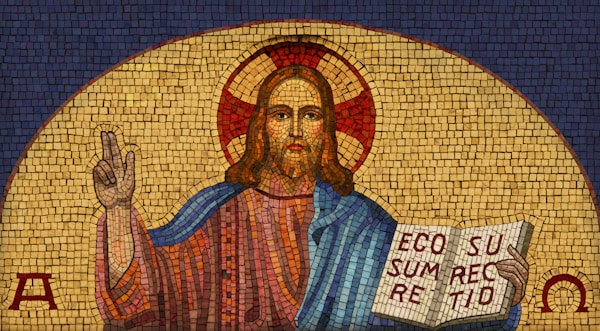

Before Jesus began His mission, the Father
named Him. That pattern matters: identity comes before responsibility. Leaders who build on performance will live in insecurity, but leaders who receive identity can lead with grounded authority.
What parts of your old identity need to be let go of and what needs to be embraced going forward?
Who does God say you are and who does the situation need you to be?

Before Jesus began leading publicly, He faced a private battle over truth. Satan challenged His identity, His trust in the Father, and the path of His mission. Jesus answered every lie with truth. That pattern matters: leaders who have not settled their beliefs will be vulnerable to compromise, distraction, and false approval.
Intentional beliefs create intentional actions.
We must build a counter attack to twisted truths

Jesus did not begin His ministry with a general sense of purpose. He moved toward a specific people living in a specific kind of darkness, just as Isaiah had foretold. His calling was not vague; it was focused. Leadership becomes powerful when a leader understands who he is called to serve and the problem he is called to confront.
What do the people you need to serve want to accomplish and what are the obstacles that stand in thier way?

Jesus was no longer preparing in private; He was publicly embracing His cause. His message revealed His mission, and His preaching marked the moment He stepped fully into the purpose His leadership was marked by a message that was focused and urgent. Leaders carry authority when they know exactly what they have been sent to say.
The message matters, but the deeper shift is ownership. Leadership changes when a person stops hesitating and starts embodying the cause.
Different than just a mission, a CAUSE is a mission with the emotion of who it will impact attached to it.

Jesus gained a following by extending a specific invitation to specific people, giving them a specific purpose. To the first disciples, He said, “Follow me,” giving a direct call to action. Then He gave them a new identity and purpose: “I will make you fishers of men.” His invitation was personal, purposeful, and transformative.
Then He repeated the pattern in public.
He taught clearly, stayed on message, and met real needs. That is how a movement grows: clear invitation, clear identity, clear action.
People follow when they know what they are being invited into and are given an identity they believe in.

Jesus did not simply teach information. He
created a framework for identity, values, and action that people could remember and apply.
He used language people could remember—“salt and light,” “go the second mile,” “ask, seek, knock.” He attached identity to action, values to outcomes, and truth to specific situations. In doing so, Jesus was not only delivering a message; He was shaping a culture. He was defining who His people were, what they valued, and how they were to live in a world shaped by competing beliefs.
Every leader needs thier own sermon on the mount in thier pocket.

We invite you to step into intentional leadership beginning with the Walk Via Maris and continue growing through monthly situational coaching.
Step 1: Walk Via Maris - Gain intentional clarity and authority as a leader, as together we build your personal leadership playbook. 4-6 week virtual workshops.
Step 2: Monthly Situational Coaching – For every unique moment we help the leader choose a specific set of beliefs, message, and actions necessary to reach a targeted outcome. Two 1:1 sessions monthly.
 Let's Build Your Personal Leadership Playbook Together